

The 15th WOOD Conference Cape Town, Key Timber Trends for the Trade
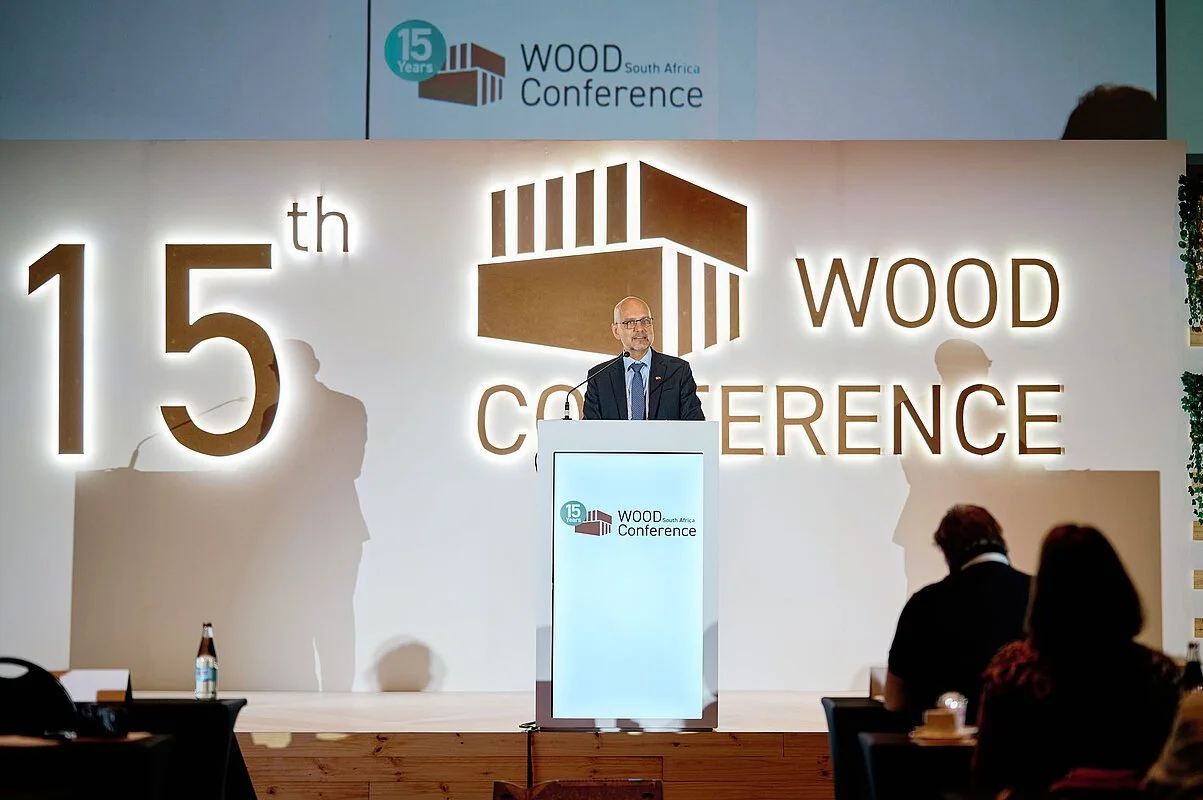
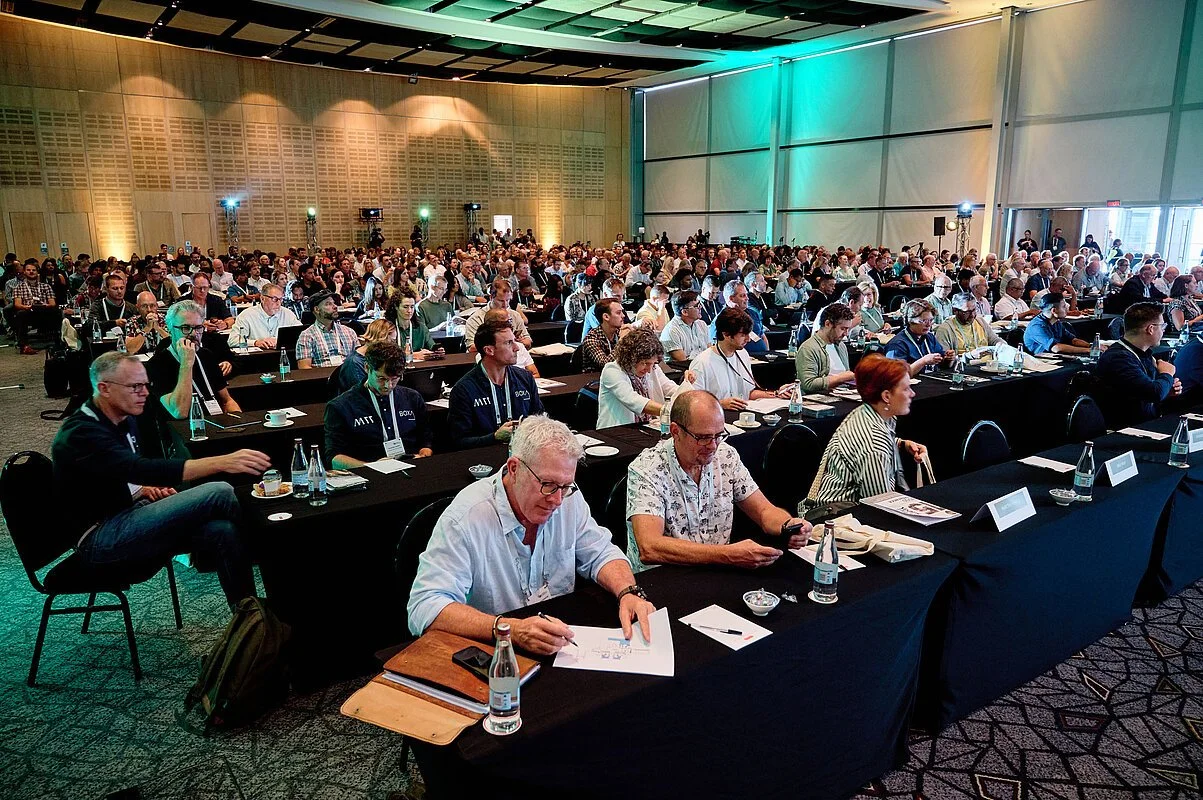
On the 24th of February 2026, the 15th WOOD Conference took place at the Cape Town International Convention Centre, bringing together professionals from across the timber, architecture, and construction industries. The event showcased how timber continues to grow as a sustainable and innovative building material, with speakers from around the world sharing insights into modern timber construction, architecture, and forestry.
Blog quick read:
The WOOD Conference reinforced a clear direction for the industry, timber is becoming a mainstream structural solution, engineered wood products like CLT and glulam are accelerating innovation, and responsible forestry is central to future construction. For Saplings Timber Trading in Cape Town, staying close to these trends helps us support the wholesale market with the right timber and board supply for what architects, engineers, and builders will need next.
Attending the conference provided a valuable opportunity to hear directly from architects, engineers, and timber specialists who are actively shaping the future of wood in the construction environment. From discussions on mass timber construction to the role of sustainably sourced materials, the conference highlighted the growing importance of timber as a solution for more environmentally responsible building practices.
For companies involved in the timber supply chain, events like this are more than just presentations and networking opportunities, they provide insight into where the industry is heading and how suppliers, builders, and designers can better align themselves with future trends.
1. The rise of timber in modern construction
One of the strongest themes throughout the conference was the rapid growth of timber as the main structural building material. Around the world, timber construction has evolved far beyond traditional framing and roofing and is now being used in mid-rise and even high-rise buildings.
Architect Reinhard Kropf from the firm Helen & Hard highlighted how timber structures can deliver more value while using fewer resources. His presentation demonstrated how intelligent design and engineered timber can reduce environmental impact while maintaining structural performance.
Another interesting point came from the opening address by Roger Kuratle, who explained the importance of global collaboration in timber construction.
It was clear that timber is no longer simply a building material. Instead, it is becoming a mainstream structural solution in modern architecture and urban development.
Key takeaway for the wholesale market:
Timber is increasingly specified as a primary structural material, not just a finishing material
Designers and engineers are looking for reliable supply, consistent quality, and products that meet modern building requirements
The trade supply chain will need to support faster project turnarounds and tighter specifications
2. Innovation in engineered wood products
Another major topic throughout the day was the rapid innovation taking place in engineered timber products. Technologies such as CLT, glulam, and other laminated products are allowing architects and engineers to design structures that were once thought impossible using traditional timber.
Jürg Frefel from Switzerland spoke about how digital manufacturing and modern technology are transforming timber construction. He explained how advanced prefabrication and engineering allow timber structures combined with other materials such as steel, aluminium, and concrete to be used together to manufacture a high precision structure with quick assemblies on site.
Similarly, German architect Sebastian Bildau presented examples of tall wooden buildings being used for urban redevelopment. His work demonstrated how timber can be used to build dense urban environments while maintaining a warm, natural aesthetic with quick turnover time.
These presentations highlighted how timber is increasingly being viewed not just as a natural material, but as a highly engineered product capable of competing with steel and concrete or being used in collaboration with them.
What this means for trade customers:
Engineered timber is driving demand for more precision, better consistency, and dependable stock availability
Faster on-site assembly increases the importance of suppliers who can support programme timelines
Timber is being used alongside steel and concrete more often, which changes how projects are specified and supplied
3. Sustainability and Responsible Forestry
Sustainability was another key theme that ran throughout the conference. Many speakers emphasised the environmental advantages of timber when sourced responsibly and used efficiently.
In the welcome address, Eddie Andrews, Deputy Mayor of the City of Cape Town, challenged the audience to rethink how cities are built:
“What type of city do you want to build and grow?”
He also mentioned that innovation without purpose is not innovation. He encouraged architects and engineers to push the boundaries of traditional construction and explore how timber could play a larger role in creating sustainable urban environments.
These discussions reinforced the idea that timber will be an important part of the transition toward more sustainable construction practices.
Practical takeaway for the wholesale supply chain:
Sustainability is becoming a stronger decision driver in project planning and specification
Customers increasingly want guidance on best-fit materials and responsible use, not just price per sheet or length
4. Opportunities for the South African timber industry
Although many of the examples presented came from Europe and other international markets, the discussions also highlighted the enormous potential for timber construction in South Africa.
The Wood Conference helps to bring international expertise to the local industry and encourages collaboration between architects and engineers, but also includes suppliers. The goal has always been to promote timber as a viable structural material for the future.
As Roger Kuratle emphasised during the conference:
“A globally connected timber sector allows industry leaders, architects, and engineers to create real solutions for real challenges.”
Architect Sean Mahoney spoke about the timber design behind the well-known new construction of the Oranjezicht City Farm Market in the V&A Waterfront. He explained how the project showcases the strength, versatility, and aesthetic appeal of timber in large public structures. He also highlighted the possibility of timber having flexibility and being able to be used for a temporary structure that can be broken down and reused.
For companies like us, Saplings Timber Trading, who had the opportunity to supply some of the timber used in the project, it serves as a great example of how quality timber products can contribute to iconic local developments in South Africa.
For South Africa, where structures consisting only of timber construction is still developing compared to Europe, events like this are essential for driving education, innovation, and market growth.
What this means for Saplings Timber Trading
For myself, Saplings Timber Trading, attending the conference provided valuable insight into the direction in which the timber industry is moving.
As a timber supplier supplying the wholesale market, which works closely with architects and engineers, understanding these global trends helps us anticipate future demands. The increasing interest in sustainable materials, engineered timber products, and modern timber architecture presents exciting opportunities for the industry.
It also highlights the importance of continuing to educate customers about the possibilities of timber and the benefits it can offer in both residential and commercial construction.
By staying informed about new technologies, international projects, and industry developments, Saplings Timber Trading can continue to position itself as a reliable supplier for the growing timber industry in South Africa, supporting the trade with consistent wholesale supply from our Cape Town base.
Written By - Johan Olivier